Featured Organizations
Explore key fraternal and service organizations that have shaped communities and brotherhood worldwide.
Fraternal and Service Organizations
Freemasonry Orders
Freemasonry Explained
A comprehensive educational resource covering the history, philosophy, symbols, rituals, and structure of Freemasonry.
History of the Royal Arch
A comprehensive exploration of the Royal Arch degree, its origins, historical significance, and role as one of the highest honors in Freemasonry.
Council
An educational exploration of the Cryptic Rite degrees, their history, philosophy, and role as advanced complementary degrees in Freemasonry.
History of the Allied Masonic Degrees
A comprehensive exploration of advanced Masonic orders and degrees that complement the major rites, exploring specialized knowledge, esoteric traditions, and the diverse pathways available to advanced Masons seeking deeper understanding.
History of the Scottish Rite
A comprehensive educational resource on the Scottish Rite, one of the most prestigious and influential Masonic bodies, exploring its founding, degrees, philosophy, and enduring impact on Freemasonry.
Knights Templar
A comprehensive exploration of the legendary Knights Templar, their history during the Crusades, military achievements, symbolism, and enduring legacy in Freemasonry and culture.
Tall Cedars of Lebanon
A comprehensive exploration of the Tall Cedars of Lebanon, a social and charitable Masonic organization dedicated to fellowship, fun-based fundraising, and community service among Master Masons.
History of the Shriners
A comprehensive educational resource exploring the founding, philosophy, international growth, and charitable mission of Shriners International, a prominent fraternal organization within Freemasonry.
The Widow's Sons
A comprehensive exploration of The Widow's Sons, a motorcycle-based charitable organization dedicated to supporting widows and families of deceased Masons through brotherhood and humanitarian service.
Order of the Eastern Star
A comprehensive educational resource on the world's largest women's Masonic organization, covering its history, symbolic teachings, structure, and charitable mission since its founding in 1876.
Order of the Amaranth
A comprehensive educational resource on the Order of the Amaranth, a prestigious Masonic organization dedicated to friendship, charity, and cultural enrichment among Master Masons and their families.
Royal Order of Jesters
A comprehensive educational resource on the Royal Order of Jesters, a Masonic organization combining humor and fellowship with meaningful charitable service through fun-based fundraising.
Academy of Masonic Knowledge
A comprehensive educational resource exploring the Academy of Masonic Knowledge, its mission to advance masonic scholarship, historical development, and its profound impact on masonic education and intellectual excellence.
Grottoes International
A comprehensive exploration of Grottoes International, a Masonic organization dedicated to fellowship, fun-based fundraising, and supporting charitable causes through meaningful service and brotherhood.
History of Prince Hall Masonry
A comprehensive educational resource on the history, significance, and contributions of Prince Hall Freemasonry to African American communities and Freemasonry worldwide.
Odd Fellows and Related Orders
Independent Order of Odd Fellows
A comprehensive educational resource on the history, principles, structure, and charitable mission of the Odd Fellows fraternity.
History of Encampment
An exploration of the ceremonial traditions, military heritage, and symbolic significance of the Encampment degrees within the Independent Order of Odd Fellows.
History of Patriarchs Militant
An exploration of the military traditions, ceremonial pageantry, organizational structure, and historical significance of Patriarchs Militant within the Independent Order of Odd Fellows.
Ancient Mystic Order of Samaritans (AMOS)
An exploration of the charitable traditions, humanitarian service, organizational structure, and historical significance of the Ancient Mystic Order of Samaritans (AMOS) within the Independent Order of Odd Fellows.

History of the Rebekah's
A comprehensive exploration of the pioneering Rebekah degree, women's leadership in the Odd Fellows, and the revolutionary creation of equal opportunities for women in fraternal organizations.
Major Fraternal Organizations
History of the Elks
A comprehensive exploration of the founding, principles, structure, and charitable legacy of the Benevolent and Protective Order of Elks, one of North America's largest fraternal organizations dedicated to community service.

History of the Fraternal Order of Eagles
A comprehensive exploration of the founding, principles, and charitable mission of the Fraternal Order of Eagles, a major fraternal organization dedicated to community service and brotherhood for over 140 years.

Lions Clubs International
A comprehensive educational resource on the world's largest service club organization, covering its history, mission, global impact, and humanitarian programs dedicated to community service and positive change.

Rotary International
A comprehensive educational resource on the world's oldest service club organization, covering its history, mission, global humanitarian impact, and commitment to building better communities through service.
History of the Loyal Order of Moose
A comprehensive exploration of one of North America's largest fraternal organizations, covering its founding, principles, organizational structure, charitable mission, and enduring impact on communities.
History of Skull and Bones
An in-depth exploration of America's most exclusive secret society, its founding at Yale University, selection of elite members, mysterious traditions, and profound influence on American institutions and leadership.
History of the Knights of Columbus
A comprehensive exploration of one of the world's largest Catholic fraternal organizations and its profound impact on communities through faith, charity, and service for over 140 years.

Fraternal Order of Police
A comprehensive educational resource exploring the history, mission, organizational structure, and significant impact of the Fraternal Order of Police as one of law enforcement's most influential professional organizations.
History of the American Legion
A comprehensive exploration of one of the nation's largest veterans organizations dedicated to serving veterans, supporting their families, and strengthening American communities through patriotic service and charitable work.
History of the Veterans of Foreign Wars
A comprehensive exploration of one of America's premier combat veterans organizations dedicated to serving those who have fought in foreign wars and advocating for military strength and veterans' rights.
Youth Organizations
History of the Boy Scouts
A comprehensive educational resource exploring the Boy Scouts of America, its history, mission, leadership development, outdoor programs, and transformative impact on millions of youth.

History of the Girl Scouts
A comprehensive educational resource exploring Girl Scouts of the USA, its history, mission, empowerment programs, and transformative impact on millions of young women.
History of DeMolay International
A comprehensive educational resource exploring DeMolay International, its history, mission, leadership programs, and transformative impact on young men worldwide since 1919.
History of Junior Odd Fellows
A comprehensive educational resource exploring Junior Odd Fellows, its history, mission, youth development programs, and transformative impact on young people worldwide.

History of Job's Daughters International
A comprehensive educational resource exploring Job's Daughters International, its history, mission, youth empowerment programs, and transformative impact on young women worldwide since 1921.
History of Theta Rho Girls' Clubs
A comprehensive educational resource exploring Theta Rho Girls' Clubs, its history, mission, leadership programs, and transformative impact on young women worldwide through mentoring and community service.
History of United Youth Groups in the Odd Fellows
A comprehensive educational resource exploring United Youth Groups in the Odd Fellows, its history, mission, youth development programs, and transformative impact on young people within Odd Fellows tradition.
History of Cadet Corps in the Odd Fellows
A comprehensive educational resource exploring Cadet Corps in the Odd Fellows, its history, mission, leadership and discipline programs, and transformative impact on young people within Odd Fellows tradition.

History of Rainbow for Girls
A comprehensive educational resource exploring Rainbow for Girls, its history, mission, leadership programs, and transformative impact on young women through sisterhood and service rooted in Masonic heritage.
Service Organizations

History of the Red Cross
A comprehensive educational resource covering the founding, principles, operations, and humanitarian impact of the International Red Cross movement.
History of the Salvation Army
A comprehensive educational resource exploring the founding, mission, evolution, and humanitarian impact of the Salvation Army as one of the world's largest charitable and religious organizations.
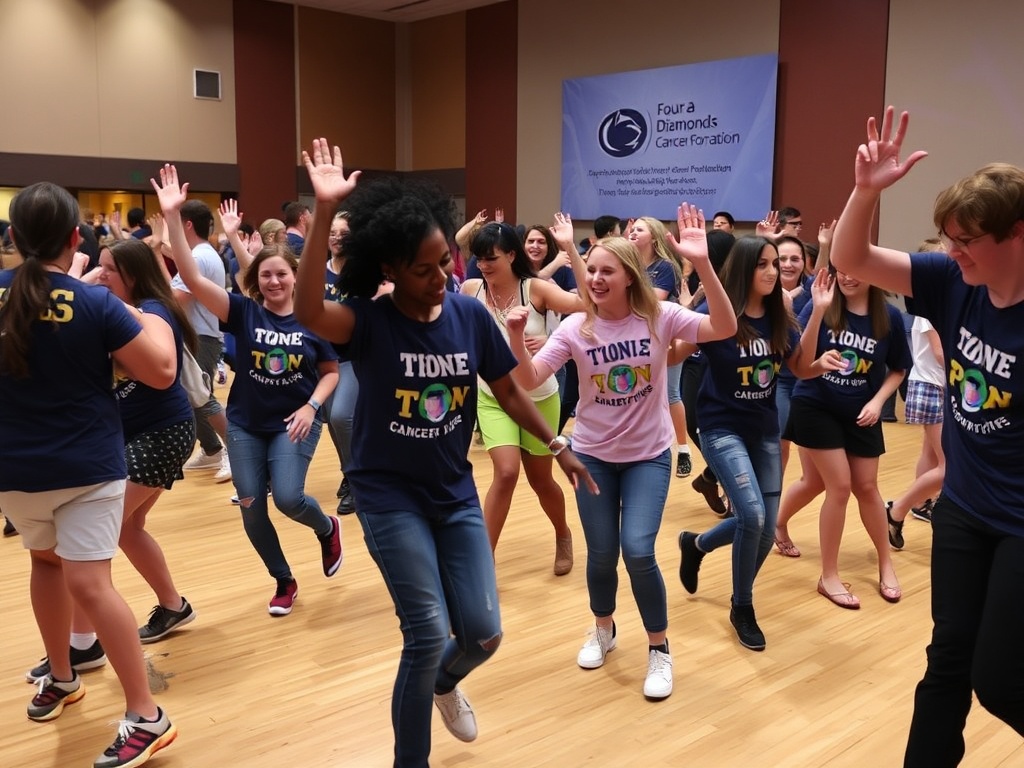
Penn State Dance Marathon
A comprehensive educational resource exploring the history, mission, and enduring impact of Penn State Dance Marathon (THON), the world's largest student-run philanthropy event supporting Four Diamonds pediatric cancer research.
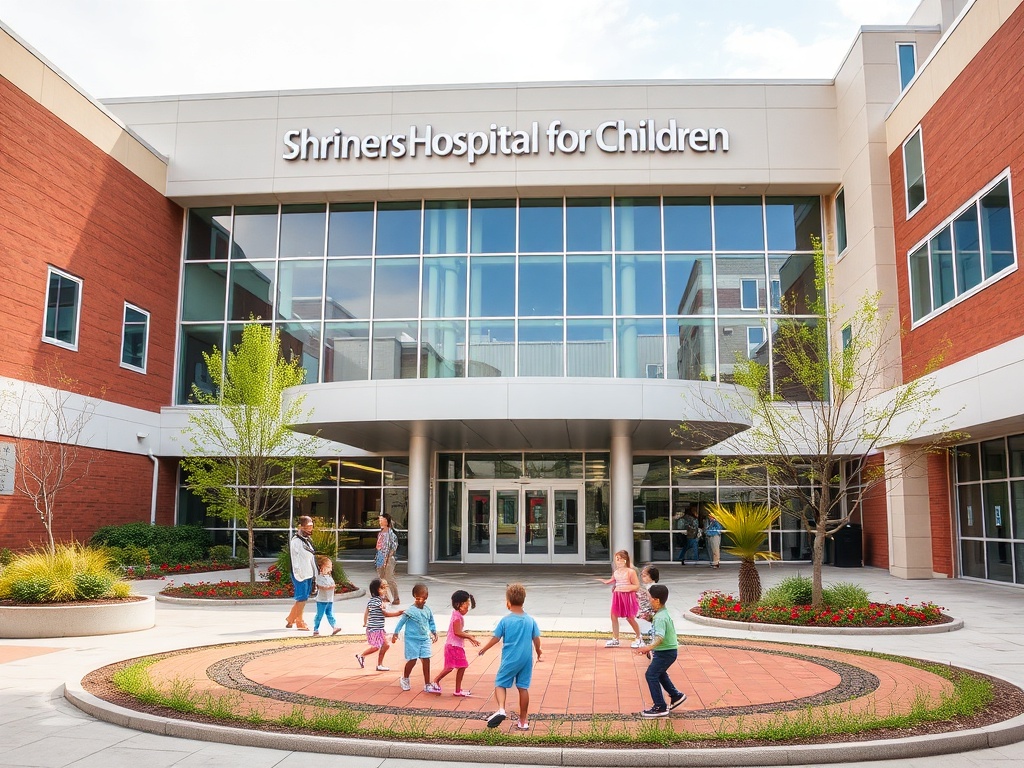
Shriners Hospital for Children
A comprehensive educational resource exploring the founding, mission, specialty care programs, research contributions, and transformative impact of Shriners Hospital for Children as a leading provider of pediatric specialty care.
Special Olympics
A comprehensive educational resource exploring the history, mission, global impact, and transformative power of Special Olympics in providing athletic opportunities and fostering inclusion for individuals with intellectual disabilities.

History of Ronald McDonald House
A comprehensive exploration of one of the world's leading charitable organizations dedicated to providing care and support for seriously ill children and their families through innovative programs and global outreach.

History of Goodwill Industries
A comprehensive exploration of one of the world's pioneering nonprofit organizations dedicated to job training, employment services, and vocational rehabilitation for people facing barriers to employment.
History of Tunnels to Towers Foundation
A comprehensive exploration of a powerful charitable organization dedicated to honoring and supporting first responders, veterans, and military families through transformative programs and direct assistance.

History of the United Way
A comprehensive exploration of United Way's founding, mission, organizational structure, and transformative impact as one of America's largest philanthropic and community service organizations.
American Cancer Society
A comprehensive educational resource exploring the American Cancer Society, its history, research initiatives, patient support programs, and impact on cancer prevention and treatment worldwide.
History of American Lung Association
A comprehensive educational resource exploring the American Lung Association, its history, mission, research initiatives, advocacy efforts, and transformative impact on respiratory health and lung disease prevention worldwide.
St. Jude Children's Research Hospital
A comprehensive exploration of St. Jude Children's Research Hospital, its founding mission to find cures for childhood cancer, revolutionary research contributions, and transformative impact on pediatric oncology and childhood disease treatment worldwide.

History of Planned Parenthood
A comprehensive exploration of Planned Parenthood, its founding mission in reproductive healthcare advocacy, evolution as a leading provider of women's health services, and enduring impact on public health policy and access to care.
College Organizations
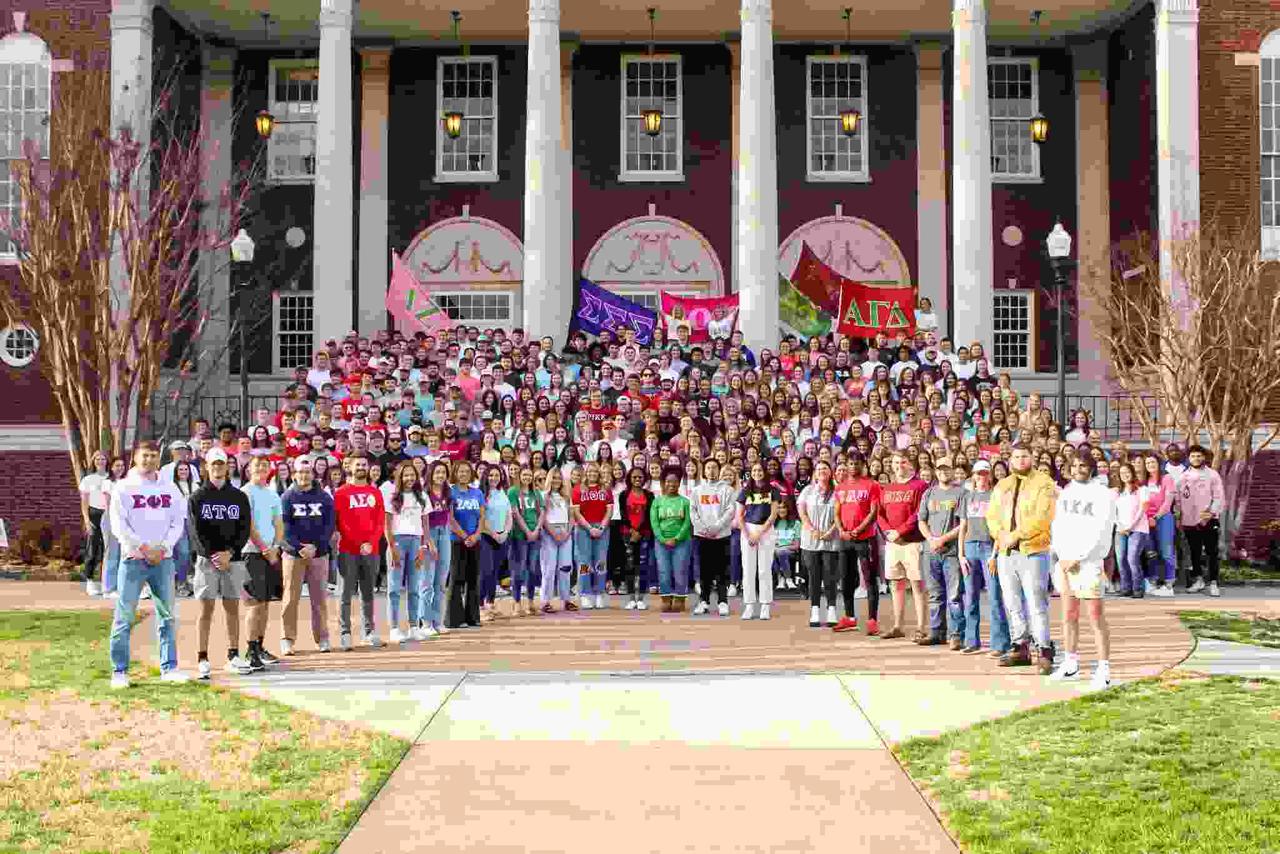
Social Greek Life
A comprehensive educational resource exploring the history, traditions, values, and enduring impact of college fraternities and sororities in American higher education.
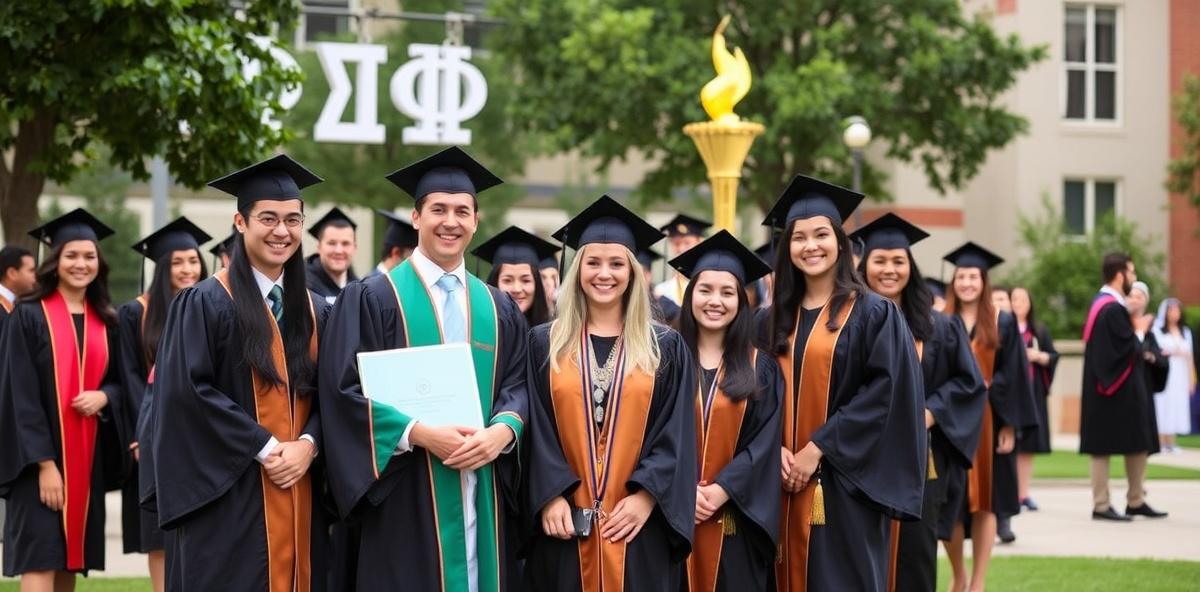
Service and Honor Societies
A comprehensive educational resource on prestigious college honor societies and service organizations, covering their history, selection criteria, values, and contributions to academic excellence and community service.
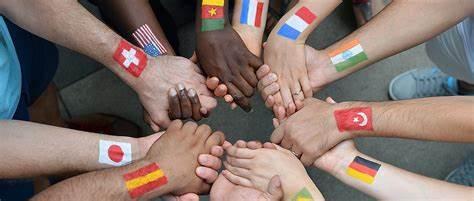
Multicultural Organizations
A comprehensive educational resource exploring multicultural college organizations, their history, mission to foster cultural pride and community, and contributions to promoting diversity, inclusion, and social awareness on campuses.
History of Fraternal and Charitable Organizations
For centuries, fraternal and charitable organizations have been fundamental institutions shaping human society, fostering brotherhood, advancing social welfare, and creating meaningful change in communities worldwide. Understanding this rich history helps us appreciate how mutual aid, shared values, and organized compassion have transformed the world.
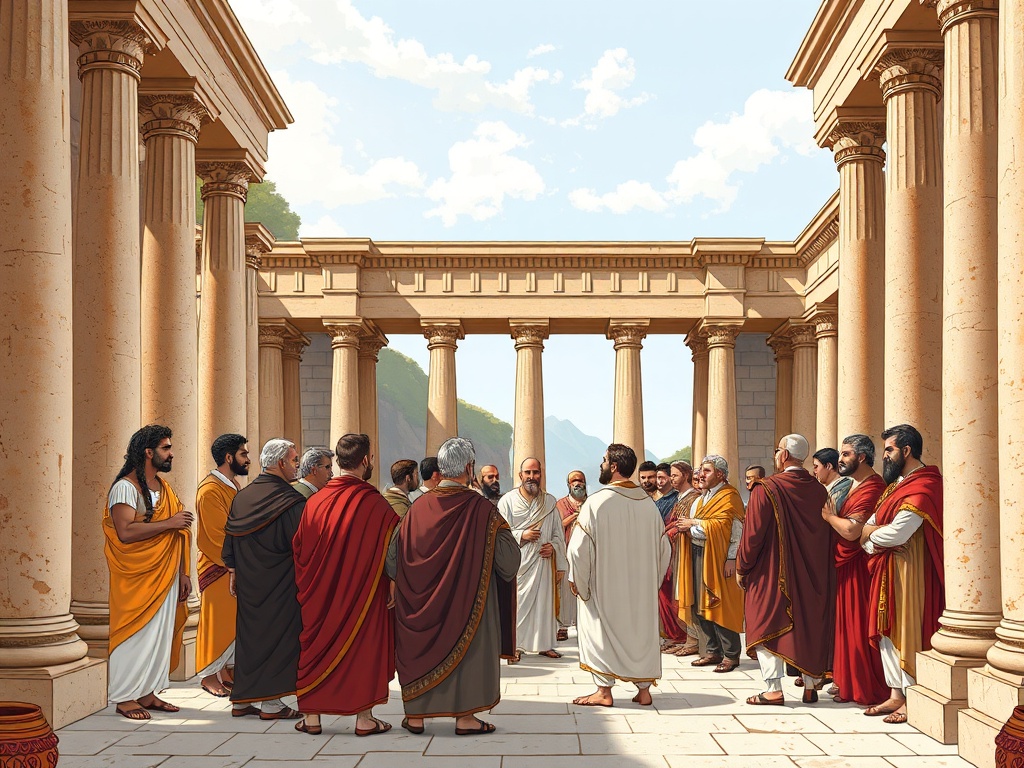
Ancient Origins: Foundations of Brotherhood
The concept of fraternal association traces back to ancient civilizations. In ancient Rome and Greece, men gathered in societies dedicated to mutual support, philosophical discussion, and shared civic responsibility. These early organizations established enduring principles: collective decision-making, ritual ceremonies that reinforced shared identity, and mutual aid among members. The very idea that individuals could unite around shared values to accomplish greater good took root in these ancient societies.
These ancient societies laid the intellectual and organizational groundwork that would eventually evolve into the sophisticated fraternal systems we know today. The concept of initiation into progressive degrees of knowledge, the use of symbolism and ritual to teach moral lessons, and the emphasis on brotherhood transcending social class all originated in the ancient world.
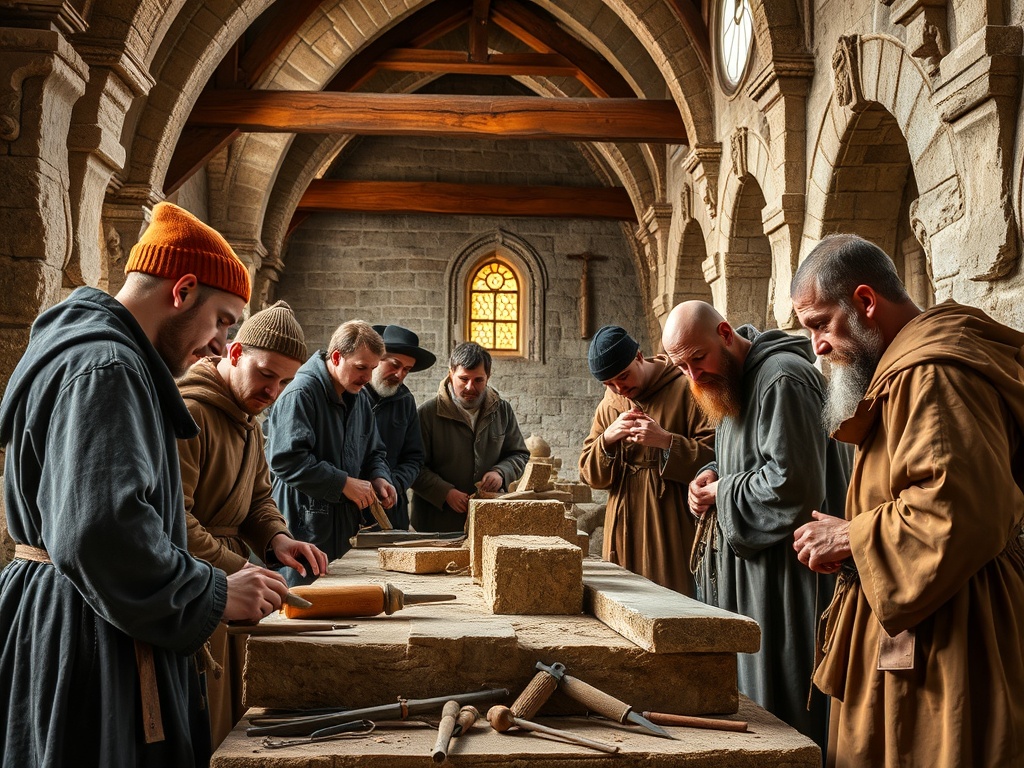
Medieval Development: The Craft Guild System
The medieval craft guilds of Europe transformed the fraternal concept into a practical system for professional development and mutual protection. Guilds of stonemasons, metalworkers, weavers, and other craftsmen established formal organizations that controlled training, maintained quality standards, and protected members' economic interests. The famous Freemasons evolved directly from these medieval guilds of stonemasons who built Europe's great cathedrals.
Guild membership provided security in an uncertain world. Apprentices received systematic training from masters, journeymen gained practical experience and recognition, and masters achieved status and economic protection. Guilds established sick funds to support members facing hardship and death benefits for members' families. These practical charitable functions were revolutionary—they created the first formal mutual aid systems in Western society.
Guilds also established social institutions that strengthened community bonds. Guild halls became centers of community life where members gathered not just for business but for fellowship, celebration, and mutual support. This blending of practical mutual aid with social fellowship became a defining characteristic of fraternal organizations.
Industrial Era: The Great Expansion
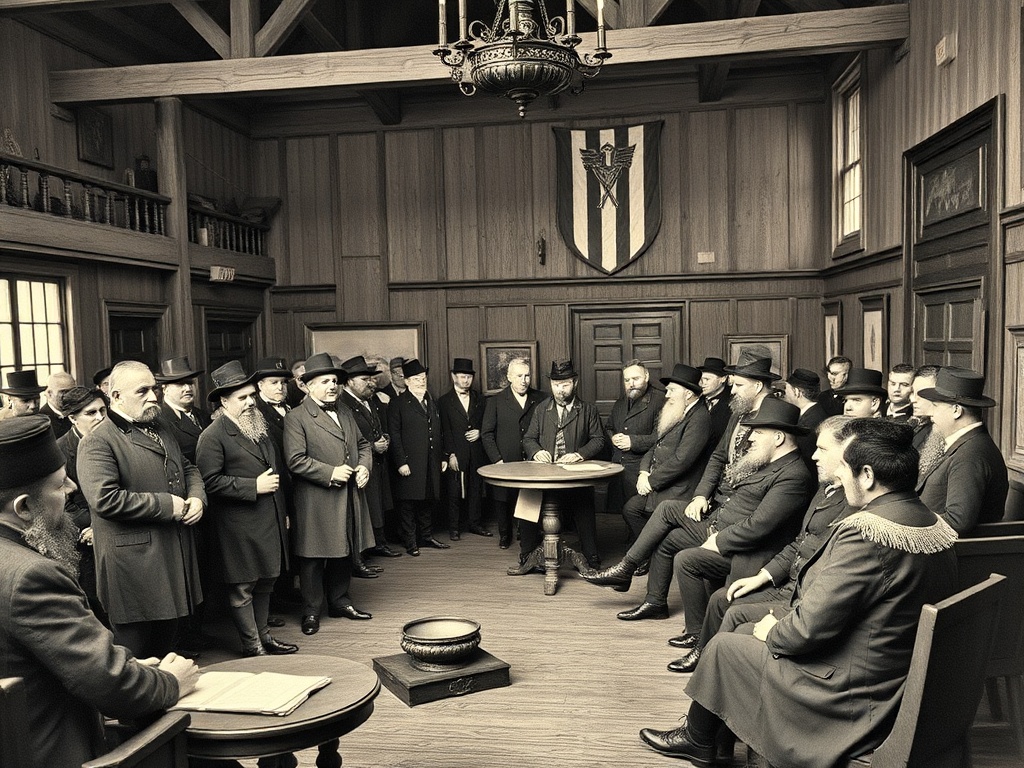
The Industrial Revolution created unprecedented social disruption. Factory workers left agricultural communities for crowded cities, traditional support systems collapsed, and government provided virtually no safety net. Into this void stepped fraternal organizations, which exploded in popularity during the 18th and 19th centuries. Freemasonry, the Odd Fellows, the Elks, and hundreds of other organizations provided what society could not: life insurance, sick benefits, death benefits, and community support.
These organizations were democratic in structure and accessible to working-class men. Unlike aristocratic clubs, fraternal orders welcomed anyone of good moral character willing to accept the principles and pay modest dues. This democratization made fraternal membership possible for millions. Lodge halls became centers of community life—spaces where working people gathered for fellowship, education, and mutual support.
During this era, fraternal organizations also began organizing substantial charitable work beyond member support. They funded hospitals, orphanages, and schools. They provided disaster relief. They advocated for workers' rights and social reform. Fraternal brotherhood became a vehicle for organized social action and philanthropy.
Modern Era: Transformation and Specialization
The 20th century saw fraternal organizations evolve in new directions. Government social programs gradually took over the mutual aid functions that fraternal organizations had pioneered. Yet rather than declining, fraternal organizations adapted by emphasizing larger-scale charitable work and community service. The Shriners built specialized hospitals for children. The Elks funded scholarships and supported youth programs. The Salvation Army expanded to provide comprehensive social services.
This era also saw the rise of mission-specific charitable organizations. The International Red Cross, founded on humanitarian principles, established new paradigms for organized compassion during crisis. Specialized organizations focused on specific causes—disease prevention, youth development, disaster relief, medical research—began proliferating. This diversification meant that people could join organizations aligned with their specific values and interests.
Throughout these changes, the core principle endured: when people organize around shared values and commit to mutual aid and service, they create powerful institutions for social good. Modern fraternal and charitable organizations prove that brotherhood remains a fundamental human need and that organized compassion continues to transform communities.
Core Principles That Endure
Brotherhood & Fellowship
Fraternal organizations unite people around shared values, creating bonds of brotherhood that transcend social boundaries. Members support one another through life's challenges, creating communities of belonging and mutual respect.
Charitable Service
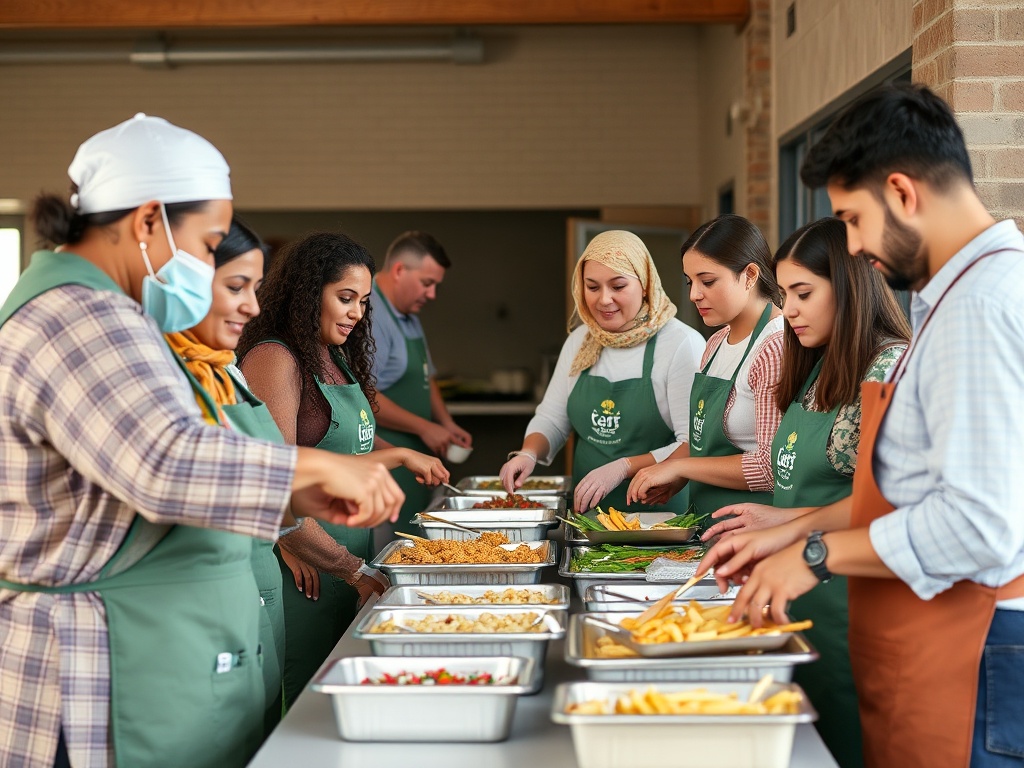
Charitable work defines fraternal organizations. Millions of volunteer hours and countless dollars flow annually to hospitals, disaster relief, youth programs, medical research, and community development. Organizations demonstrate that compassion organized at scale creates transformative change.
Personal Development
These organizations emphasize moral and intellectual growth. Through ritual, education, mentorship, and philosophical study, members develop character, wisdom, and virtue. Personal improvement and community improvement are understood as interconnected pursuits.
Modern Impact and Continuing Relevance
Global Reach
Contemporary fraternal and charitable organizations operate on a global scale. From international humanitarian organizations to college Greek life organizations, these groups work across borders and cultures to advance shared principles of service, justice, and human dignity.
Adaptation and Growth
Modern organizations adapt to contemporary challenges while preserving time-honored traditions. Digital communication, inclusive membership policies, and innovative fundraising methods allow these organizations to expand their reach and impact while maintaining foundational principles.
The history of fraternal and charitable organizations demonstrates a fundamental human truth: when people unite around shared values, organize with purpose, and commit to mutual aid and service, they create institutions capable of extraordinary positive change. Today's fraternal and charitable organizations continue this legacy, proving that solidarity, compassion, and organized effort remain powerful forces in the modern world.
Timeline: Major Milestones
Key moments that shaped the evolution of fraternal and charitable organizations across centuries.
Ancient Era (500 BCE - 500 CE)
Fraternal associations flourish in Rome and Greece, establishing foundational principles of mutual support, ritual initiation, and collective decision-making. These early organizations create the intellectual blueprint for all future fraternal systems.
Medieval Period (1200 - 1600)
Craft guilds flourish across Europe. Stonemasons, metalworkers, and other craftsmen establish formal organizations with apprenticeship systems, mutual aid funds, and quality standards. The Freemasons evolve from these medieval guilds, particularly the stonemasons' guilds.
Enlightenment Era (1650 - 1800)
Speculative Freemasonry develops from operative masonry. Fraternal societies expand beyond craft guilds to include men from all professions united by philosophical ideals. Freemasonry becomes the model for modern fraternal organization, spreading throughout Europe and America.
Industrial Revolution (1800 - 1900)
Fraternal organizations explode in popularity as industrialization creates social disruption. The Odd Fellows (1819), Independent Order of Oddfellows (1823), and hundreds of other organizations provide working people with insurance, benefits, and community. Fraternal membership becomes accessible to millions.
Peak Fraternal Era (1900 - 1950)
Fraternal organizations reach their highest membership and cultural influence. The Benevolent and Protective Order of Elks (founded 1868), the Shriners, and countless other organizations become central institutions in American community life. Fraternal halls serve as community centers, providing social, educational, and charitable services.
Modern Transformation (1950 - 2000)
Government programs take over traditional fraternal functions (insurance, disability benefits). Fraternal organizations adapt by emphasizing charitable work. The Shriners build children's hospitals. The Elks fund millions in youth scholarships. Organizations refocus on service rather than member benefits.
Contemporary Era (2000 - Present)
Fraternal and charitable organizations continue evolving. Diverse organizations address specific causes. Digital tools enable new forms of connection and coordination. Younger generations join organizations aligned with their values. Fraternal principles of mutual aid and service remain relevant in addressing contemporary social challenges.
Evolution and Enduring Legacy
How fraternal organizations transformed across centuries while maintaining their fundamental commitment to brotherhood and service.
🔄 Adaptation Without Loss of Identity
The most remarkable feature of fraternal organizations is their ability to adapt to changing times while preserving core values. When government assumed the role of providing mutual aid insurance, fraternals reinvented themselves as service organizations. When digital communication emerged, they embraced technology while maintaining ritual and tradition. This balance between tradition and innovation keeps these organizations relevant across generations.
Modern fraternal organizations face contemporary challenges—declining membership in some traditional organizations, changing social priorities, demographic shifts—yet they continue finding ways to make their principles meaningful to new members. Their flexibility suggests these organizations will continue evolving to meet future needs.
🌍 Global Impact and Influence
Fraternal and charitable organizations have distributed billions of dollars to worthy causes. They've educated millions through scholarships and educational programs. They've provided medical care to those who couldn't afford it. They've responded to every major disaster with organized relief. Their combined impact on human welfare is incalculable.
Beyond financial impact, these organizations have shaped culture and values. They've promoted education, encouraged civic participation, and modeled organized compassion. They've demonstrated that ordinary people, united by shared purpose, can accomplish extraordinary things. This cultural legacy may be even more important than their charitable work.
Why Fraternal Organizations Matter Today
Community in an Isolated Age
In an era of digital isolation and social fragmentation, fraternal organizations provide face-to-face community, genuine fellowship, and meaningful relationships. The human need for brotherhood that motivated people thousands of years ago remains just as powerful today.
Organized Compassion at Scale
Individual charity is good, but organizations multiply impact. Fraternal organizations show how to coordinate people and resources to accomplish social good far beyond what individuals could achieve alone. This model remains essential for addressing contemporary social challenges.
Values-Based Organization
Fraternal organizations organize around enduring values—brotherhood, service, personal development, justice—rather than mere profit or power. In a materialistic age, they model human organization based on ideals and principles that transcend self-interest.
The history of fraternal and charitable organizations is ultimately a history of human resilience, creativity, and goodness. For over two thousand years, people have organized around shared values to provide mutual support, advance social welfare, and create meaningful change. This history demonstrates that brotherhood is not merely sentimental—it's a practical mechanism for human flourishing and social progress. Today's fraternal and charitable organizations continue this ancient tradition, proving that organized compassion remains humanity's most powerful tool for building better communities